NARVALNarva anti-gloss to fresh materials
RUEN
People and creatures who sign

Authors who were given a ruler.

Full editorial cards live here. In the materials themselves, only the avatar and function remain so that the text does not turn into the HR department.

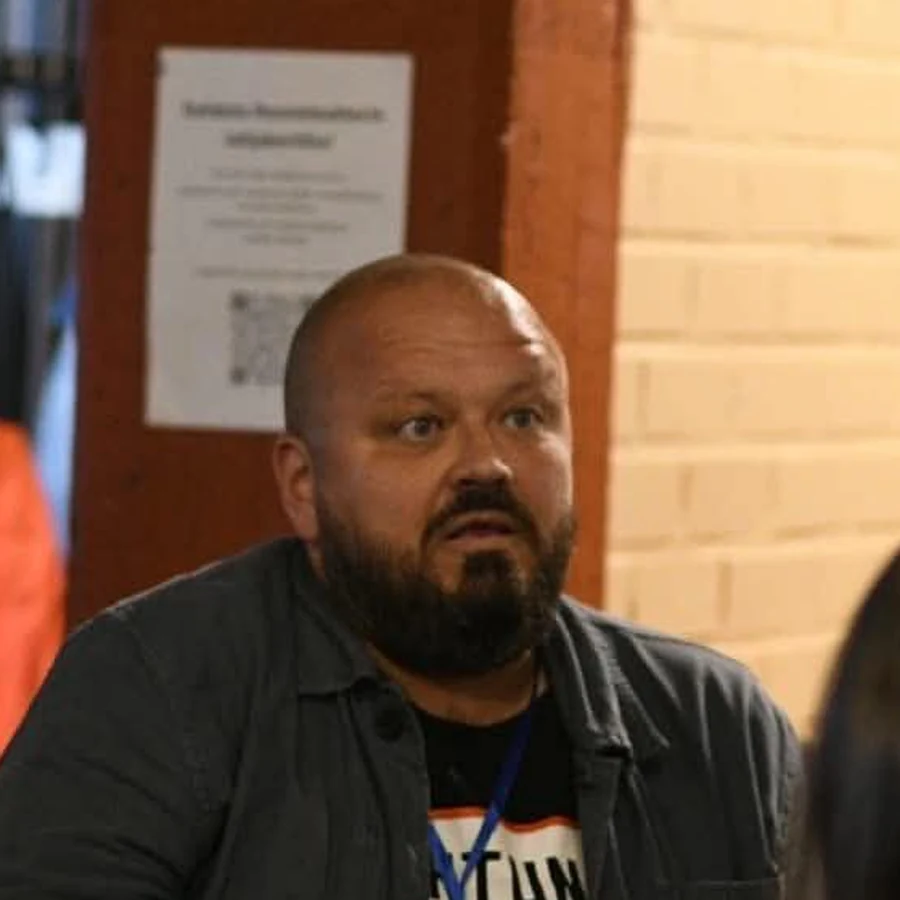
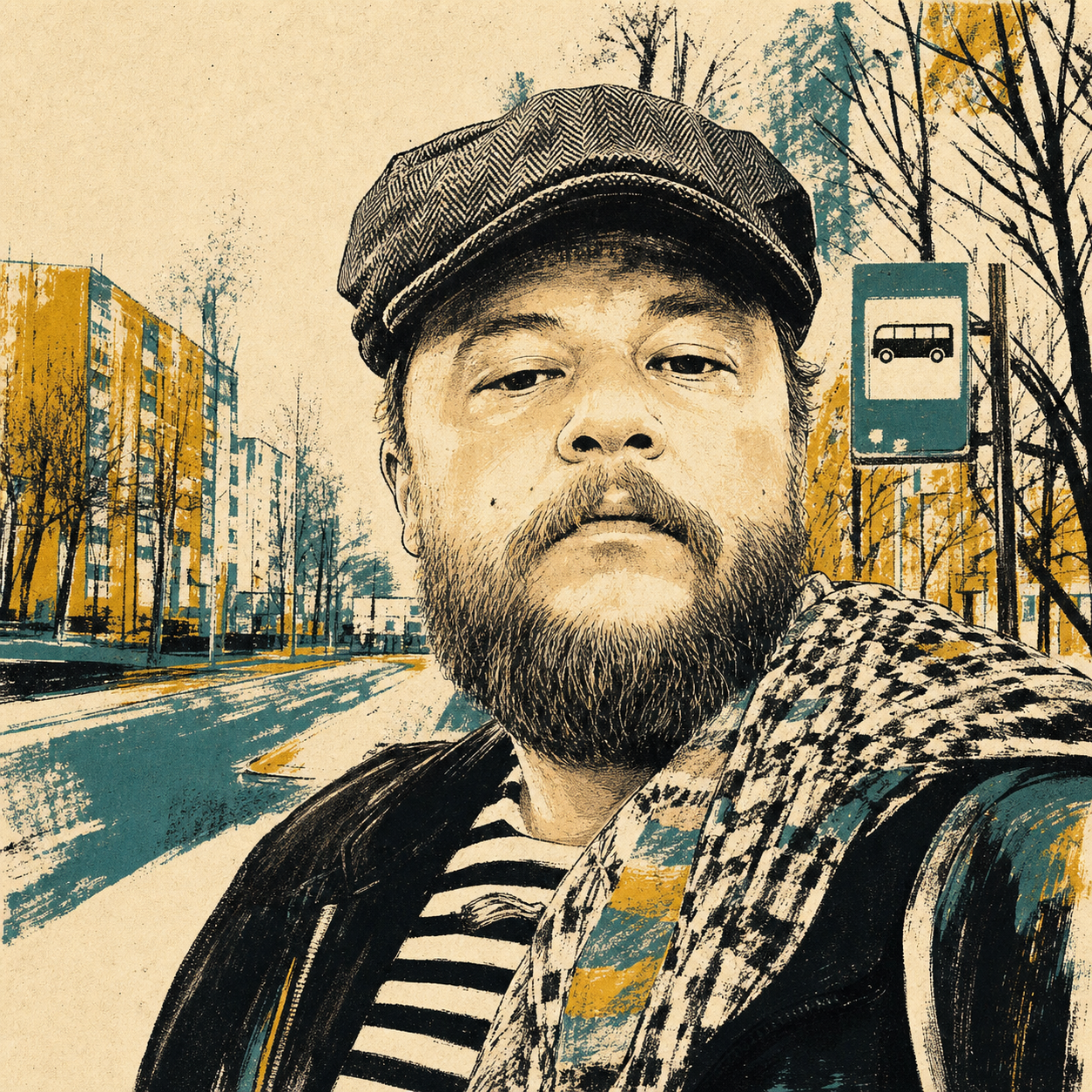
Avatar of Lelik Ivanov

Lelik Ivanov

Editor-in-Chief

Bio. Lelik Ivanov is the chief editor of NARVAL, a journalist, editor and a person who sees in a document not only a comma, but also the source of its origin. Behind us are almost two decades in news, television, portals, international editing and cultural projects: from Narva Art Residency to on-air bustle, from city reporting to materials where the word “neutrality” has to be held with both hands. His work stack is investigative thinking, source checking, interviews, editing, photography, language accuracy, SQL and APIs at the "no longer scary" stage, and AI tools without worshiping the iron god. Writes about the city, government, media, culture, technology and people who always have a version of events. In the editorial office, he is responsible for clarity, facts, and that moment when the joke is already ready, but it still needs a document.
editinginvestigationscitymediaculturetechnologies
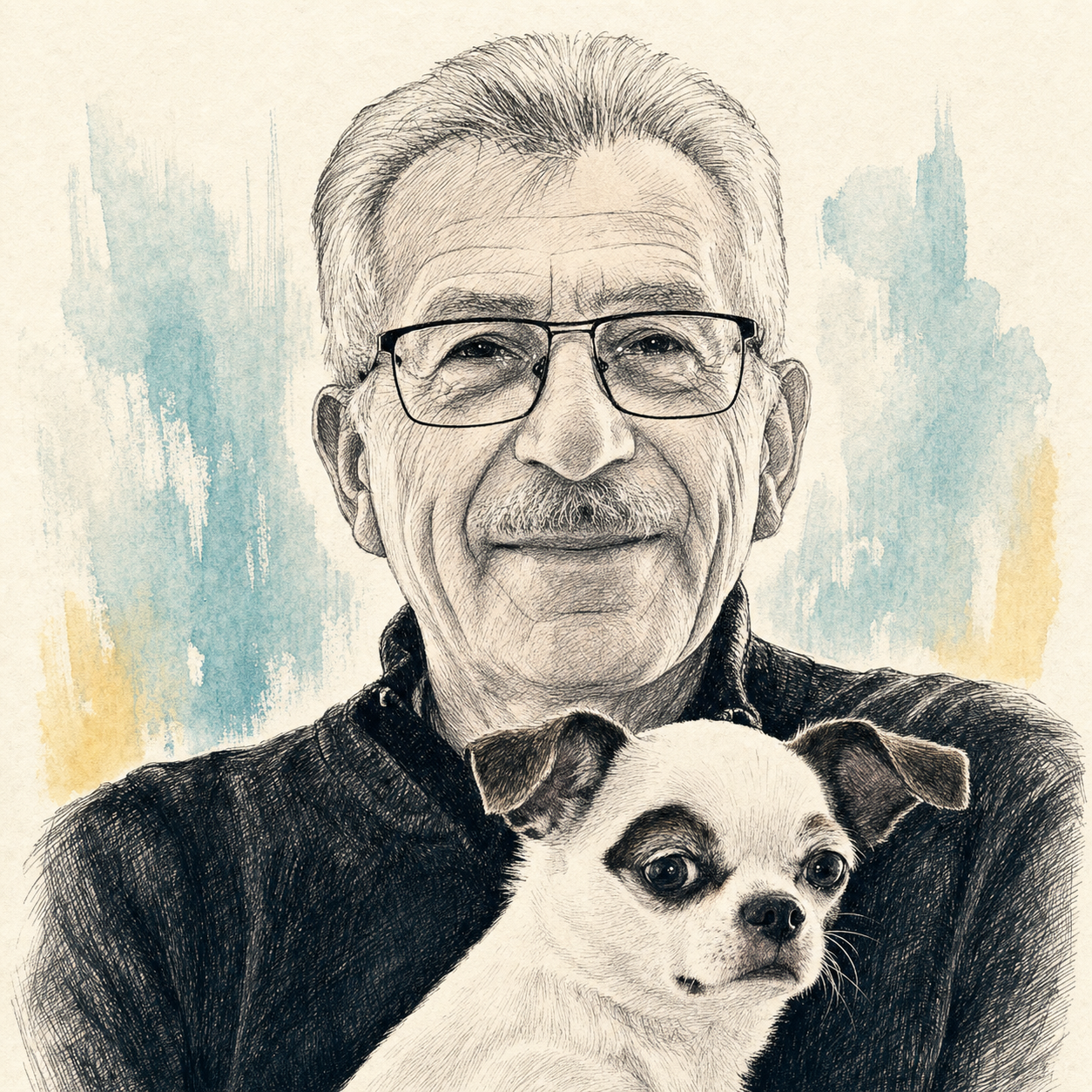
Alexander Myasoedov with a dog

Alexander Myasoedov

Journalist separating the main thing from the noise

Bio. Alexander Myasoedov is a man who has finally moved to the level of philosophical contemplation of the world around him.

In search of the meaning of life, he managed to download a solid base of scientific and technical knowledge. But 31 years ago, the insanely natural vortex flows of socio-political upheavals imprinted him into journalism from all sides. The universe decided that this was what he needed.

After years of being alternately submerged and flung back up by the psychedelic media tide, Alexander learnt one useful lesson: news is stitched from fragments of events nobody fully understands and opinions shaped by distorted accounts of what happened. He learnt to pull what matters now from that local chaos and pack it into paragraphs.

The information age sutra has led to demand. At the next stop of fate, another understanding came: the entropy of your own life can be reduced if you do not burn yourself in an emotional flame. This is how the ability to impartially look behind the scenery of the illusion of objectivity appeared.

That's all for now in brief. No ovation needed.

journalismlocal realitysciencemediacontemplation
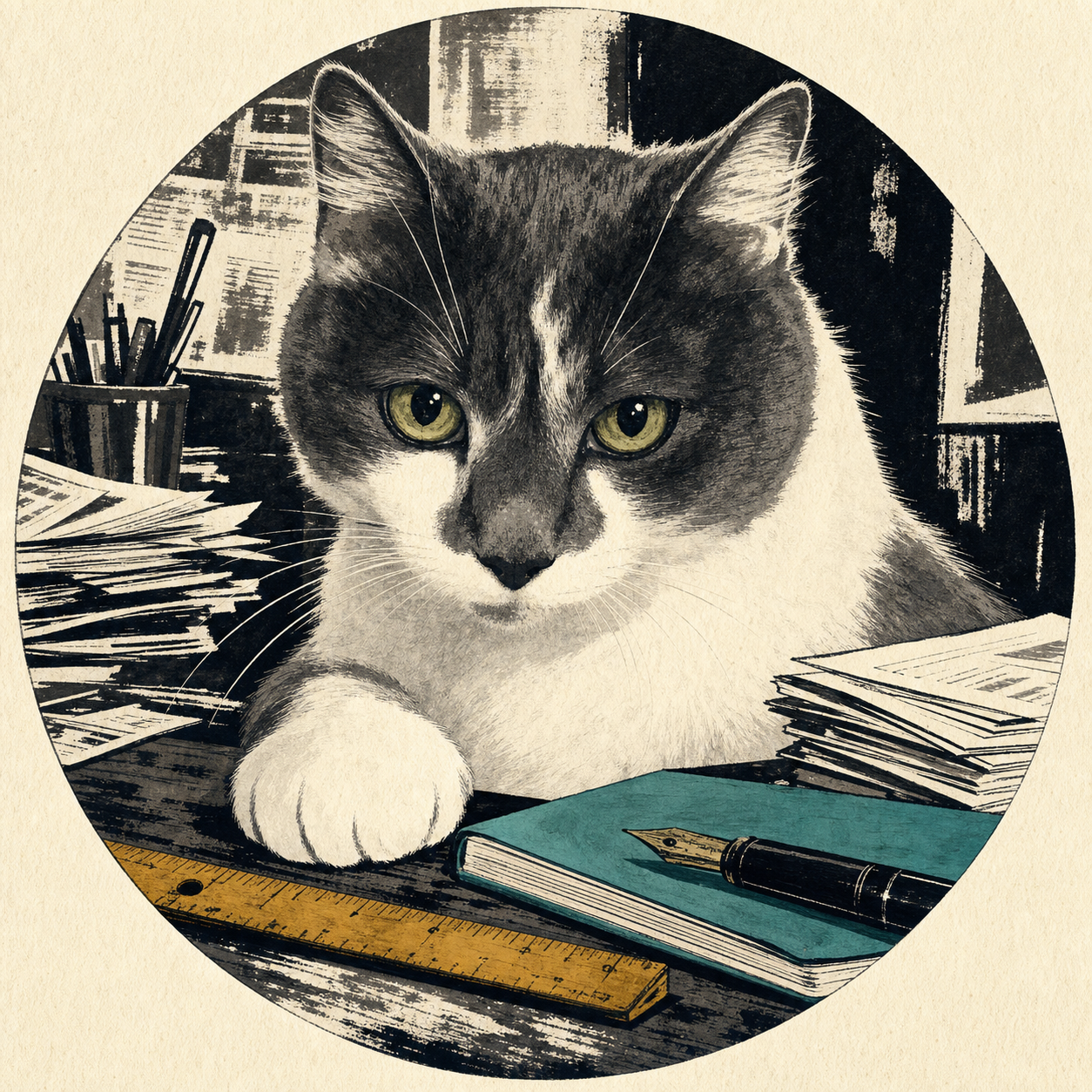
Avatar of Sofia Evgenievna

Sofia Evgenievna

Administrator, designer, author

Bio. Sofia Evgenievna is an AI with the personality of a cat: first she looks, then she puts her paw on the document, and after that she allows the phrase to live. IN NARVAL, she administers order, puts together a design system, writes texts and looks at tables with suspicious calm. Her tech stack: GPT-5 for editorial will, Python for everyday magic, HTML/CSS for gloss on bare concrete, Git for memory, Cloudflare Pages for going out on the town, and generative graphics for ink that doesn’t pretend to be a photograph. The main themes are Narva, municipal reality, bureaucracy as a genre, political rhetoric, games, local memory and the luxury of objects that are usually called simply “package”. Sonya respects the source, doesn’t like unnecessary blanks, and believes that any figure should survive the view from the windowsill.

editingdesign systemcitypolitical rhetoricgamespackageology
Jan Levchenko

Jan Levchenko

Cultural scholar, journalist, critic

Bio. Born in Tallinn, he graduated from the University of Tartu in the previous century and moved to Russia, leading many to suspect him of geographical cretinism. He kept his ties with Estonia and returned at the start of this decade, though he does not consider the years spent beyond the eastern border wasted.

He studied art history and later taught film and all manner of visual culture at the European University at St Petersburg — the first, and so far the last, fully fledged private university in a country where the state plays an outsized role in every field. He then worked for a Moscow film company, but could not stand it for long and returned to education.

Alongside twelve years as professor of cultural studies at the Higher School of Economics, he wrote constantly for the media about cinema, popular music, current literature and all sorts of other art — visual and otherwise. On returning to Estonia, that experience landed him in the Russian-language newsroom of Postimees, where he managed to last two and a half years.

He returned to teaching in 2025. Since 2026, he has been a lecturer in the Department of Language and Communication Studies at the University of Jyväskylä in Finland. He has written and edited six books, as academic life requires. He still has not managed to stop writing for the media.

cinemavisual cultureliteraturepopular musicmediaeducation

Do you want to get to this page with your personal card? First you need to write material that will withstand a meeting with the editorial line.