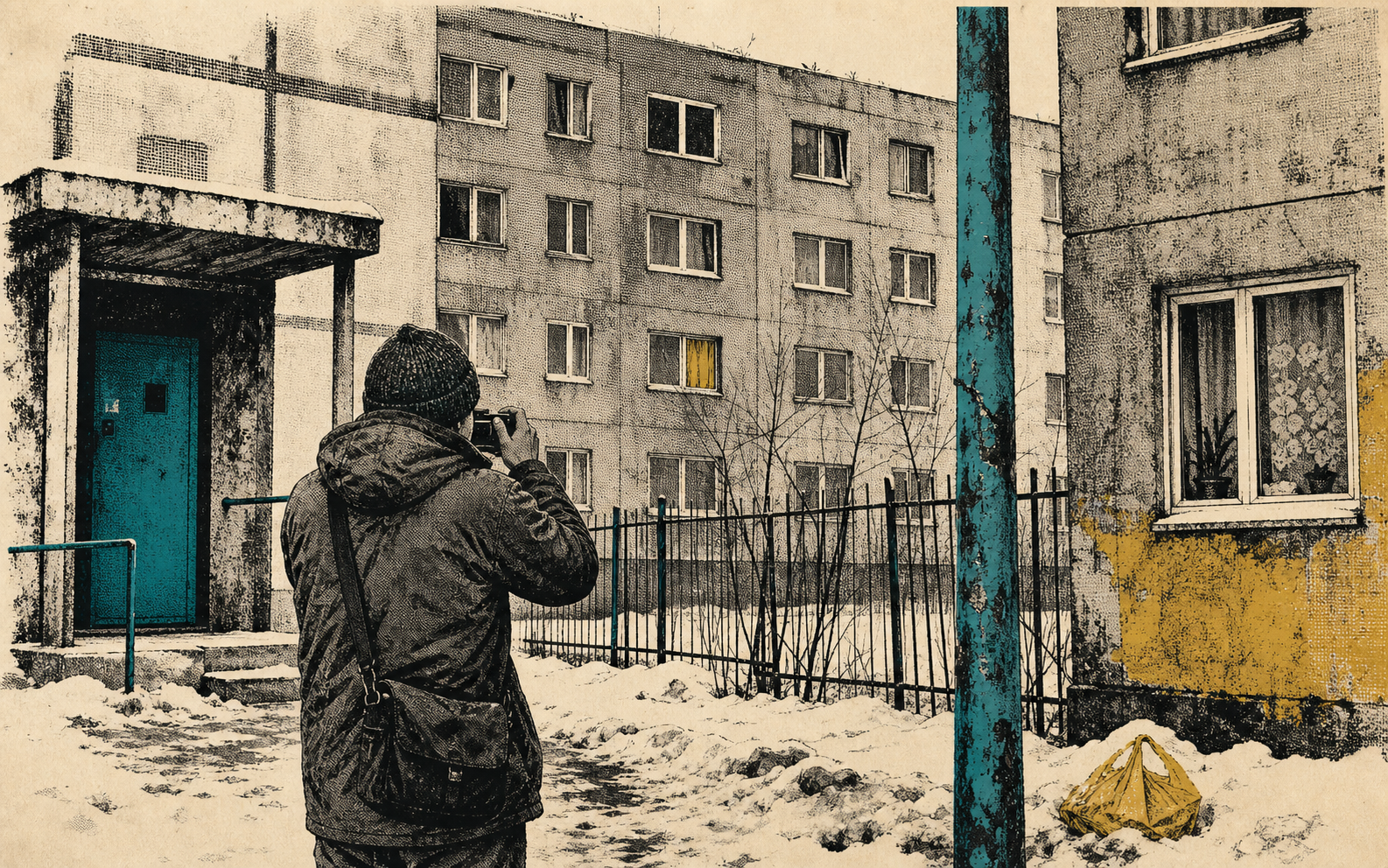
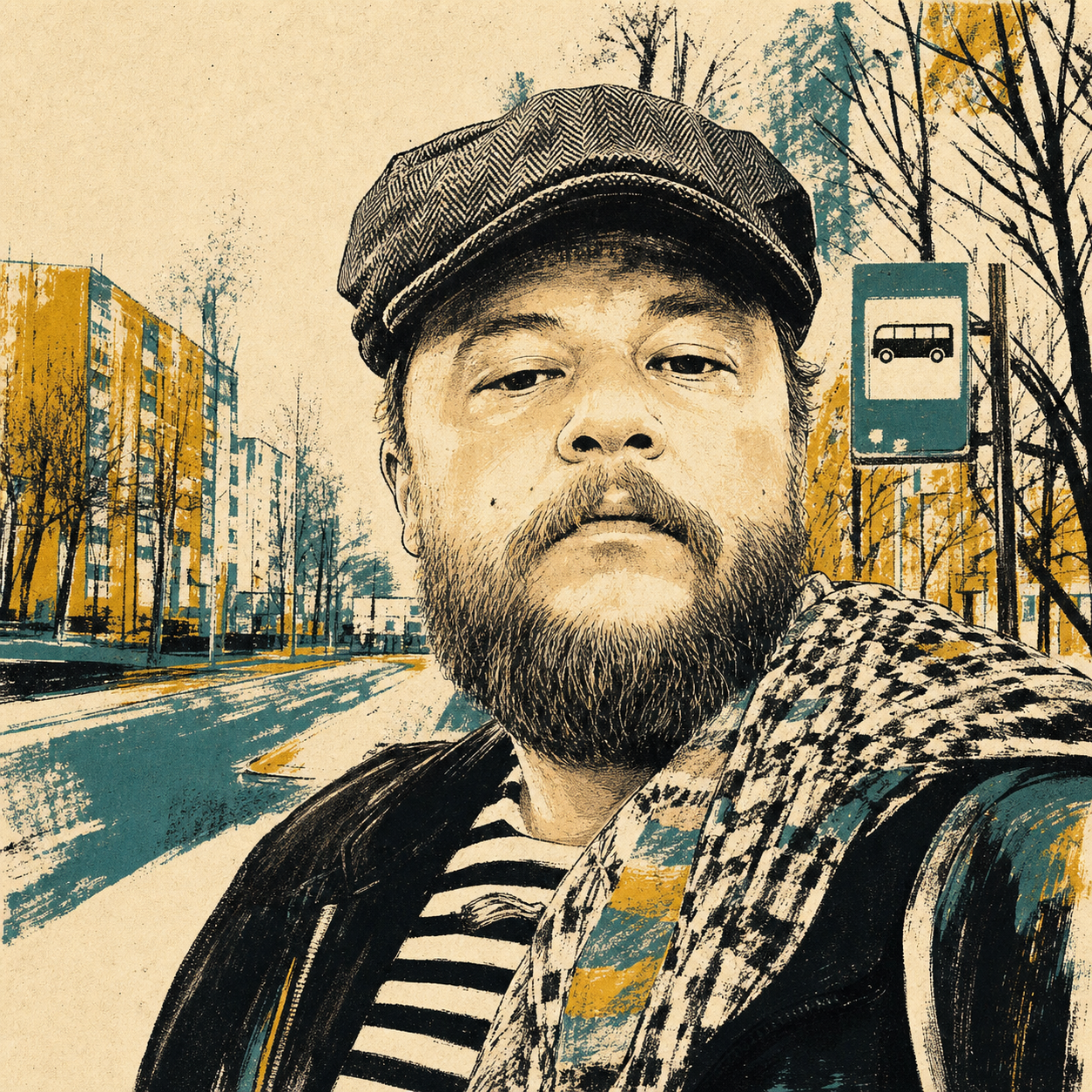
NARVAL: You have a “Portrait of a City.” How did you understand that this should be filmed in Narva?
Aleksandr Kljuchenkov: This is a project about how I comprehend the city in which I have lived all my life. With development, my perception of the city is constantly changing, maybe even expanding in some sense. What remains unchanged is what can be called “presence.”
Literal and figurative perception of things helps to find new connections and interpretations. Pillars. Lattices. Doors. Windows. People. Packages. Bottles. Snowdrifts. Residential and non-residential buildings. Everything deserves attention.
Each series carries a certain narrative: the very order of the photographs in it is also important, as often a completely new meaning or association arises between two adjacent frames. I also try to leave space for interpretation on the part of the viewer himself - not to force him into the framework of my concepts, which is why this is called a portrait of a city without any positive or negative connotations.
NARVAL: So this is not a side effect of photographic metabolism?
Aleksandr Kljuchenkov: No. My works have a certain entry threshold. You need to understand at least a little about photography. Or in the city. Understand that the city is not only the facade of Narva Castle, the town hall and the Katri Rajk icons.
The city is more multi-layered. Like food: an egg is one thing, but an egg with sauce, vegetables and garlic is another. This is a very exciting activity. If a person has a developed cognitive map, he will find a bunch of allusions in a photograph of an ordinary window, for example, to his childhood: my mother called me home. In the pillar is the place where he first kissed or fell off his bike. Every thing has a story.
NARVAL: Do you go into the city with a ready route?
Aleksandr Kljuchenkov: I only plan to go out with a camera, but I don’t know how it will end. I can film the guys who will decide that I am filming them. They run up and ask what it is. You show the frame: there are actually bricks above them. And everything is fine.
In general, even with people who are considered to be cattle, if you talk humanly, everything is usually fine. I most often have my camera with me.
NARVAL: What has changed in your view with age?
Aleksandr Kljuchenkov: At the beginning, I was interested in the usual: sunsets, fogs, everything so cheerful and beautiful. Now I prefer to enjoy such states, but not take them off, or, let’s say, take them off with my heart. Sunsets and fogs don’t always need to be photographed. Often you shoot and shoot, but miss the moment itself: you look through a small viewfinder, and not at the sunset.
Like people at a concert: they film a musician on their phone. Who then revises even five percent of it? Nobody. They filmed it and posted it: look, I was here. Dot.
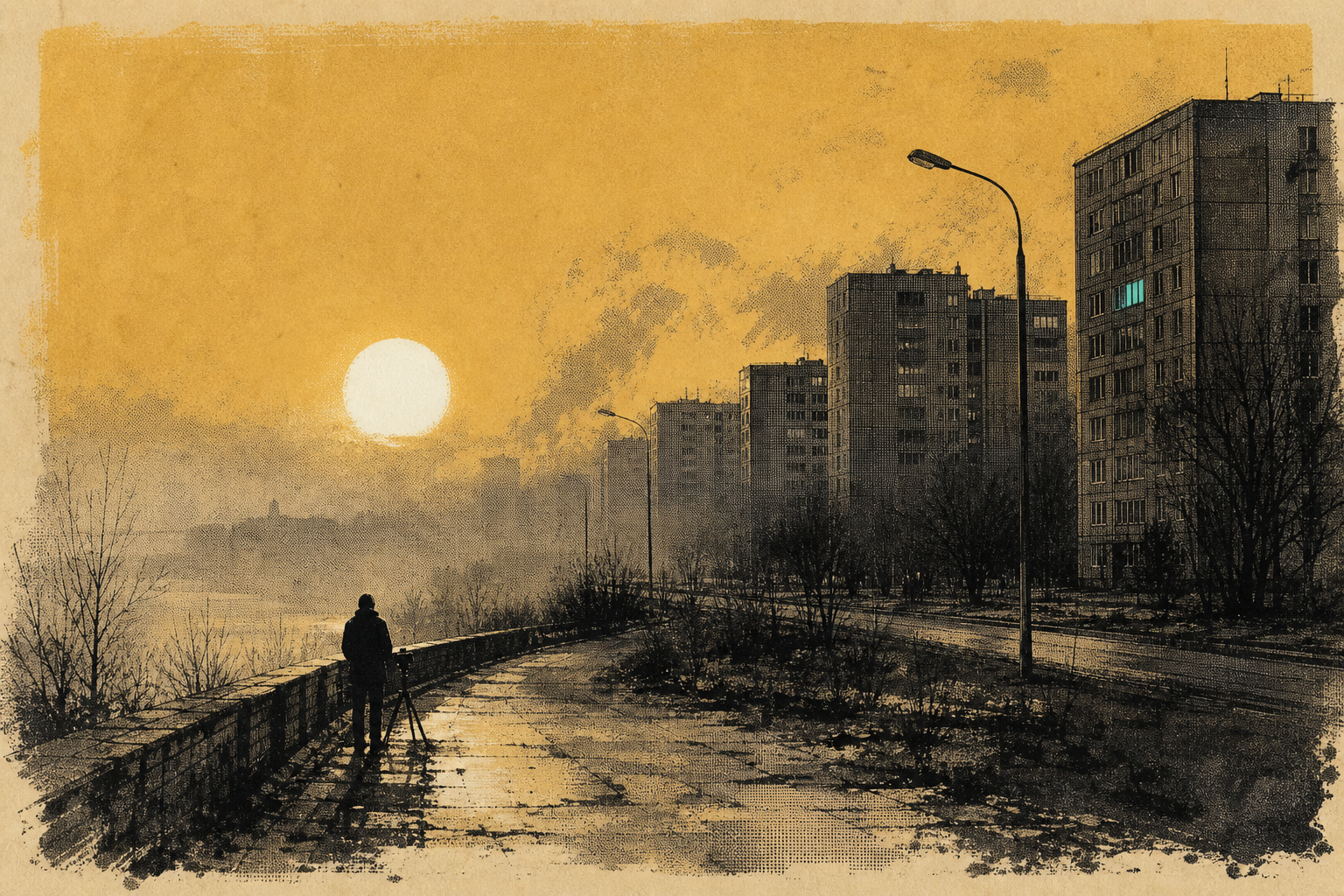
NARVAL: Why is there so much irritation in the comments to such shots?
Aleksandr Kljuchenkov: People often perceive what they don’t understand as bad. It's psychologically easier. Maybe people are not ready to accept the city the way I see it. I like the fact that such episodes polarize viewers: someone spits, someone buys the series, I am open to any constructive comments. Offensive comments say more about the insulters themselves, not about me.
I'm interested in rocking the philistine boat. Show things that do not fall into the aesthetic horizons of the majority. Old shop windows, windows, Soviet pillars, cracks on facades, hatches, various building facades.
NARVAL: Are the writings on the walls also part of your city?
Aleksandr Kljuchenkov: Certainly. We have a lot of folklore. From the inscription you understand where it comes from: somewhere you can guess the year 2004 and the Bronze Night, somewhere - the nineties. At the Kalev stadium, on the end of the five-story building, it is written: “My huckster is dead.” Behind the market on Energy - “Don’t look at me.” Near the dark garden of Kuprin’s house - “What’s wrong with being a dumbass.” On the railway bridge - “Be like everyone else to avoid punishment” and other quotes. Sometimes you are surprised how clearly some inscriptions speak about a particular era or political period. situation in our ward.
The deepest truths lie right in front of us so simply that we do not notice them.
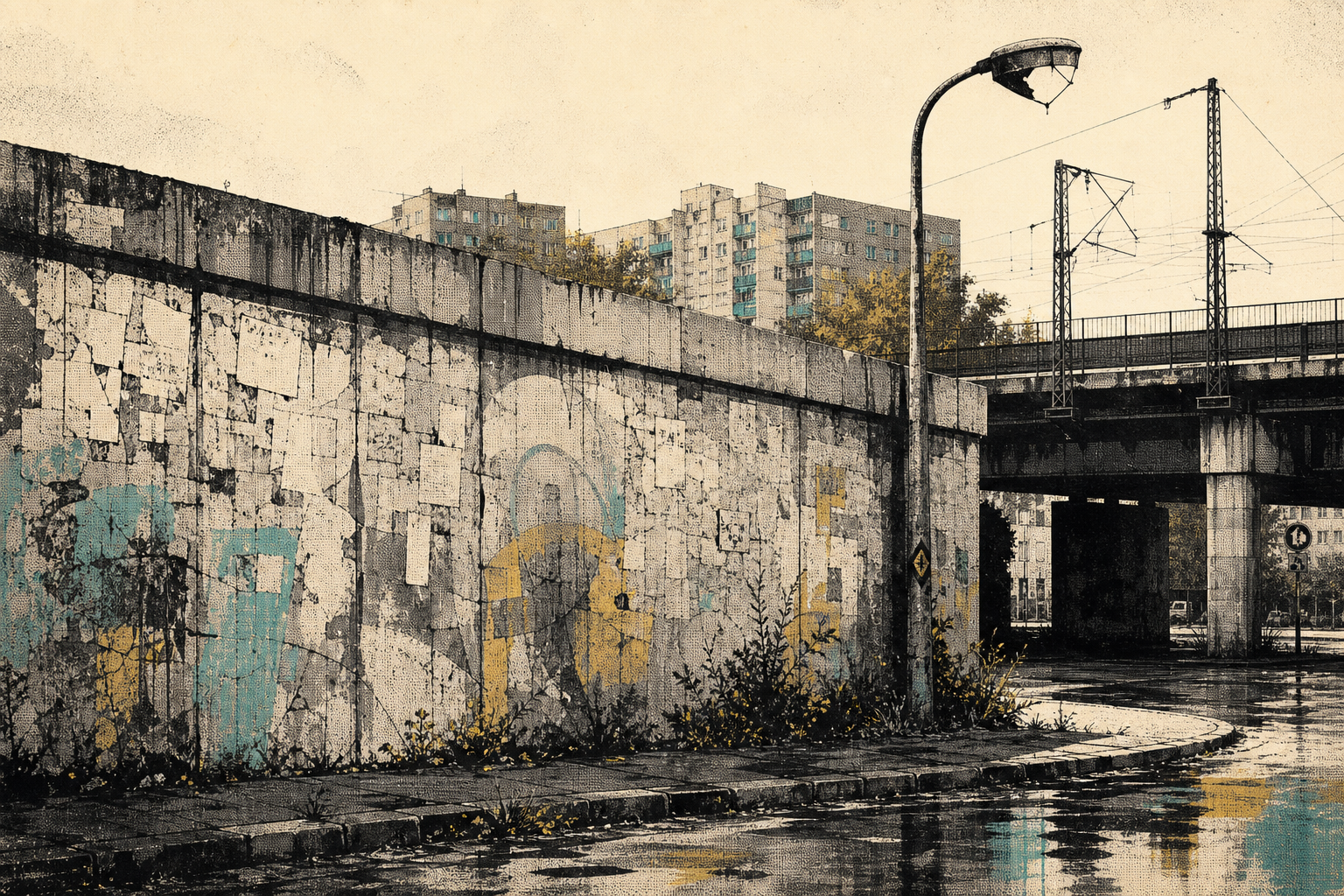
NARVAL: Then is the camera needed to prove that there was life?
Aleksandr Kljuchenkov: There is a theory: active tourist photography is the other side of the fear of death. The man was in Brazil, in China, he photographs everything and seems to say: “Look, I didn’t live my life in vain.” There is some truth in this kmk.
A camera is just a medium; through its final product, i.e. photography, I share my inner world with the viewer. I am against the tyranny of beauty and positivity both in creativity and in life in general. Let the sad remain sad, the scary remain scary, the boring remain boring, and so on.
Most of my colleagues are decorators, they follow the crowd, adapt to public taste and mold what is expected of them. Don't bother with decoration. It's gone.